Whole genome sequencing: 100% of your DNA, not just 0.1%.
23andMe reads 650,000 positions — about 0.02% of your genome. Our sequencing kit reads all 3.2 billion base pairs. Every gene. Every regulatory region. Every rare variant. For €299, shipped to your door.

 ClinVar
 PharmGKB
 StanfordNIH
What genotyping misses
Genotyping arrays read pre-selected positions. They can't detect what they weren't designed to look for. WGS reads everything.
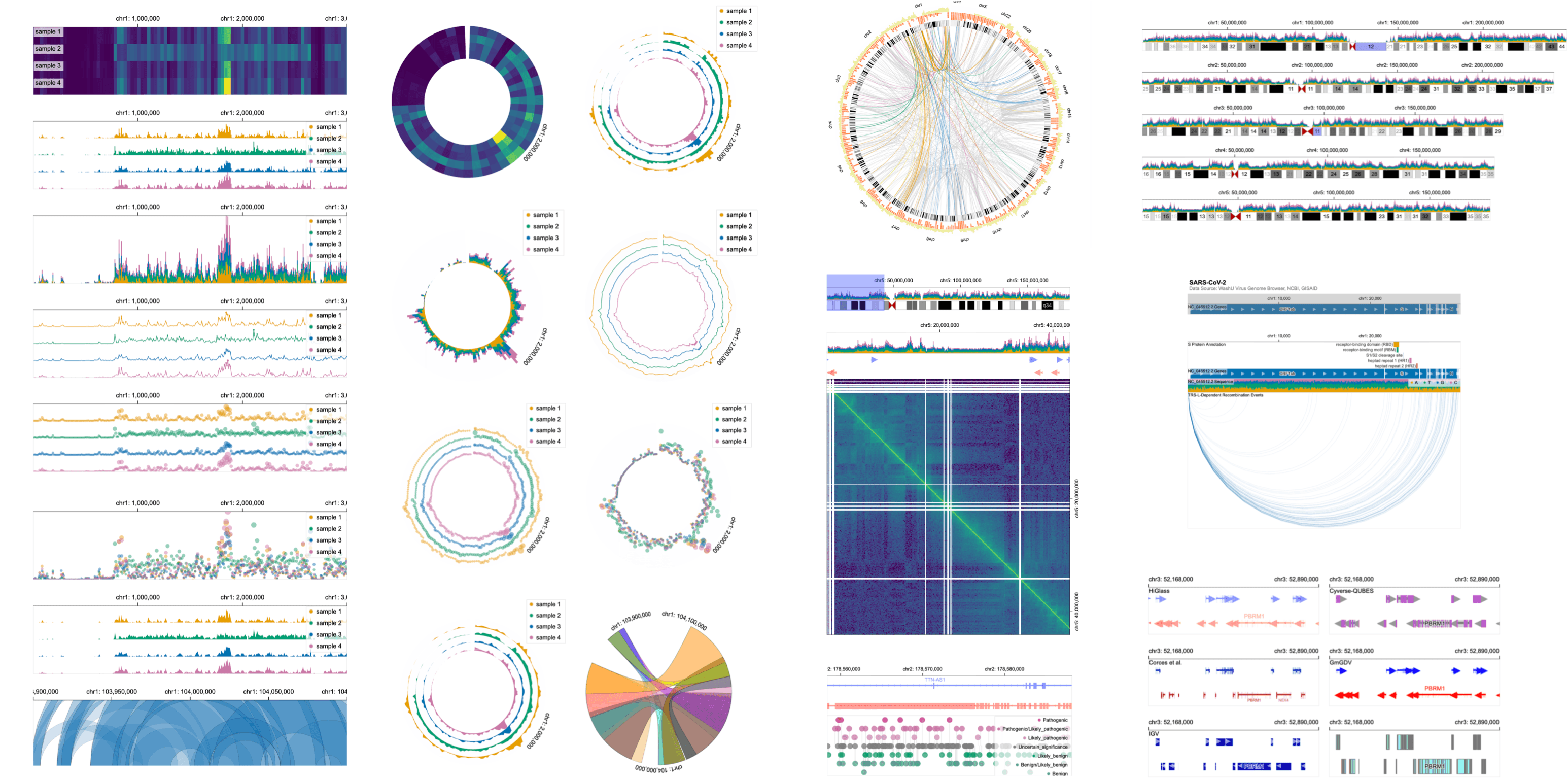
98% of your DNA is non-coding
Genotyping arrays skip the regulatory regions that control when and how genes are expressed. WGS reads everything — including enhancers, promoters, and introns that affect your health.
Rare variants that genotyping arrays miss
Arrays only check pre-selected positions. If your variant isn't on the chip, it's invisible. WGS captures every single nucleotide, including rare variants that could explain unexplained conditions.
Structural variants and copy number changes
Deletions, duplications, and inversions that affect entire gene regions. Genotyping can't detect these. WGS can — and they account for a significant portion of genetic disease.
Complete pharmacogenomics coverage
Genotyping only checks common CYP variants. WGS captures rare CYP2D6, CYP2C19, and CYP3A4 variants that can dramatically affect your drug metabolism but aren't on standard arrays.
Get the full picture. 100% of your DNA.
From saliva to full genome report
Order your kit
We ship a saliva collection kit to your door. Simple spit tube — no blood draw, no clinic visit. Takes 2 minutes at home.
We sequence your entire genome
Your sample is processed in a certified lab at 30x depth. All 3.2 billion base pairs are read and cross-referenced against 15 medical databases.
Get your complete report
Health risks, pharmacogenomics (672+ drugs), nutrition, carrier screening, traits, and more. Plus downloadable raw data (VCF) you own forever.
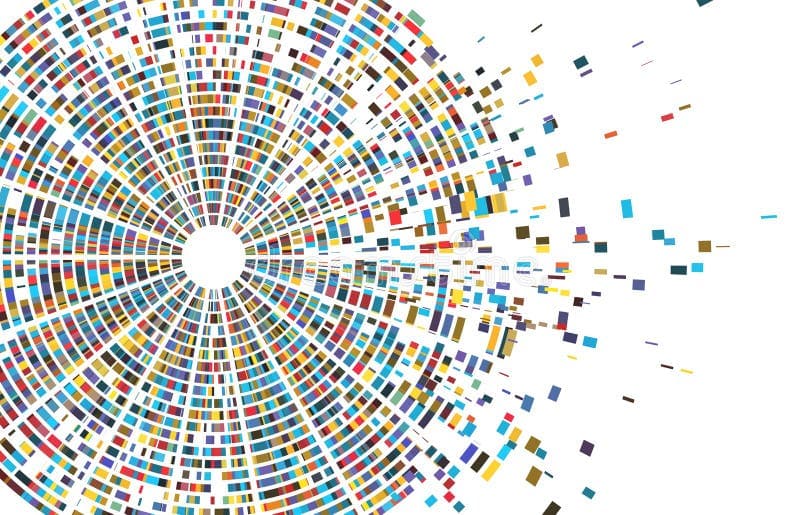
Your entire genome cross-referenced against 15 medical sources
Genotyping vs. whole genome sequencing
23andMe and AncestryDNA use genotyping arrays. Here's what that means for your data.
DNA coverage
Genotyping: ~650,000 SNPs (0.02%)
WGS: 3.2 billion base pairs (100%)
Non-coding regions
Genotyping: Not covered
WGS: Fully sequenced
Rare variants
Genotyping: Missed if not on array
WGS: All detected
Structural variants
Genotyping: Not detected
WGS: Detected (deletions, duplications, inversions)
Pharmacogenomics
Genotyping: Partial (common variants only)
WGS: Complete (including rare CYP variants)
Future-proof
Genotyping: Fixed array — can't reanalyze
WGS: Full data — reanalyze as science advances

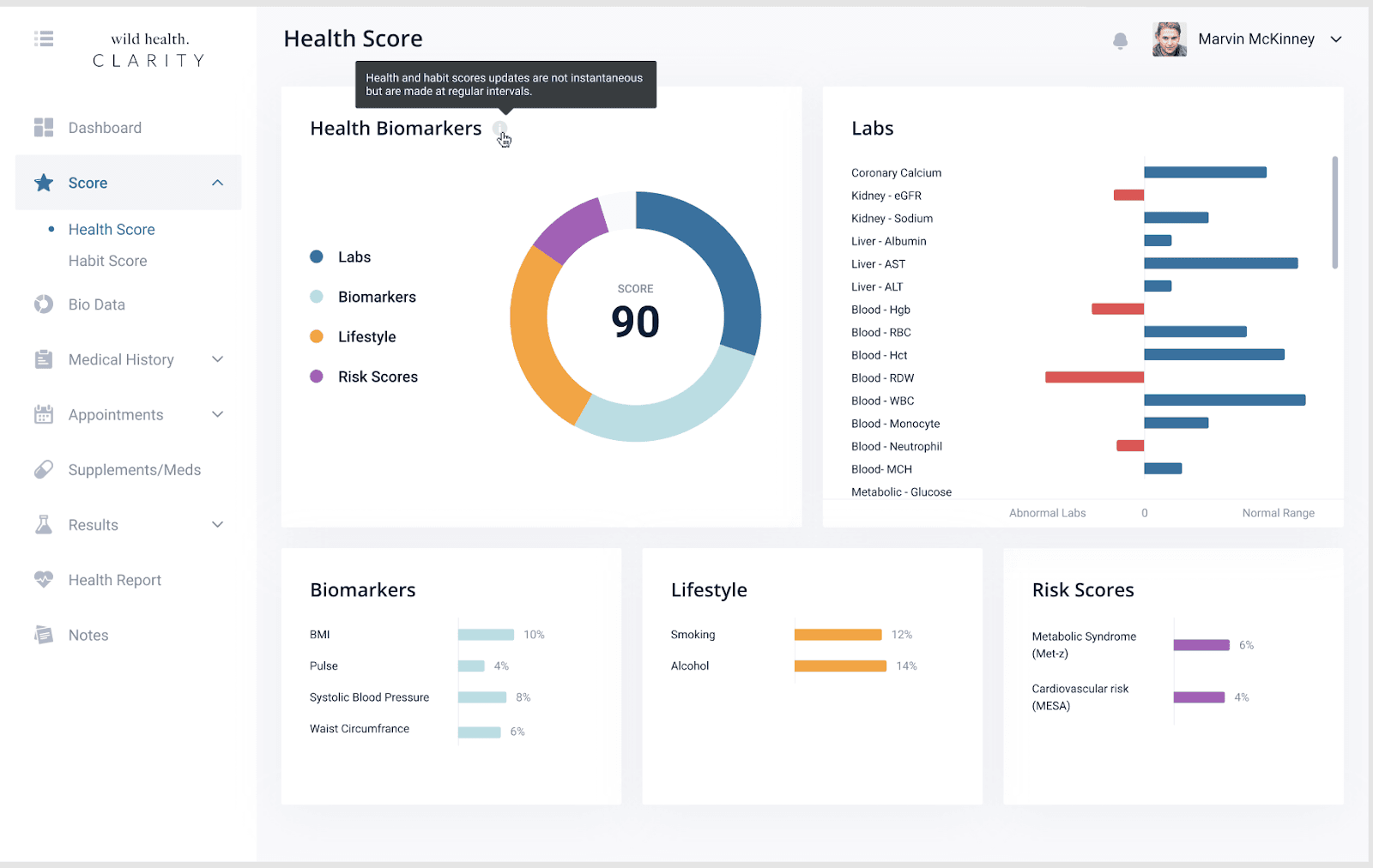
Your report covers health risks, pharmacogenomics, nutrition, carrier screening, and more
Already have a DNA file? Upload it for instant results.
23andMe, AncestryDNA, Nebula, or any VCF file.
Why people choose WGS

I did 23andMe for ancestry, then realized the health data was barely scratching the surface. WGS was a completely different experience.
— Reddit user
Using my DNA, health reports and LLMs I built a personalized supplement stack. But you need the full genome for that, not just SNP chips.
— Reddit user
The best part about WGS is it's future-proof. As science discovers new associations, you can reanalyze without paying for another test.
— Reddit user
3.2B
base pairs sequenced
5,000x
more data than genotyping
672
medications covered
15
medical sources
Common questions
Read 100% of
your genome.
Not 0.02%. Not a sample. Everything. Your complete genetic blueprint, analyzed against the latest medical research.