Why pain medication works for some people and not others.
Codeine does nothing for 10% of people. For another 5%, it converts too fast and becomes toxic. Your CYP2D6 gene determines which group you fall into — and your doctor probably never tested it.
 ClinVar
 PharmGKB
 StanfordNIH
Pain relief shouldn't be a guessing game
The same dose of codeine that brings relief to one person can be completely useless — or dangerously toxic — to another. The difference is in your DNA.
Ultra-rapid metabolizers risk overdose
About 5% of people convert codeine into morphine too fast. A standard dose becomes a toxic dose. The FDA issued a black box warning for this.
Poor metabolizers get zero relief
10% of Caucasians can't convert codeine at all. They endure pain for nothing while waiting for a drug that will never kick in.
NSAIDs aren't one-size-fits-all
Your CYP2C9 gene affects how you clear ibuprofen and celecoxib. Slow metabolizers have higher blood levels, increasing GI bleeding and cardiovascular risk.
The opioid crisis needs better data
Doctors prescribe opioids without knowing your genotype. Pharmacogenomic testing could prevent adverse reactions and reduce unnecessary prescriptions.
Find out how your body processes pain medication.
Three steps to your pain report
Upload your DNA file
23andMe, AncestryDNA, Nebula, MyHeritage, or any VCF file. It takes 30 seconds.
We analyze your pain genes
Your CYP2D6, CYP2C9, UGT2B7, and OPRM1 genes are cross-referenced against CPIC guidelines and PharmGKB to predict how you metabolize pain drugs.
Get your pain medication report
Drug compatibility table for opioids and NSAIDs, your metabolizer status, and a physician summary you can bring to your next appointment.
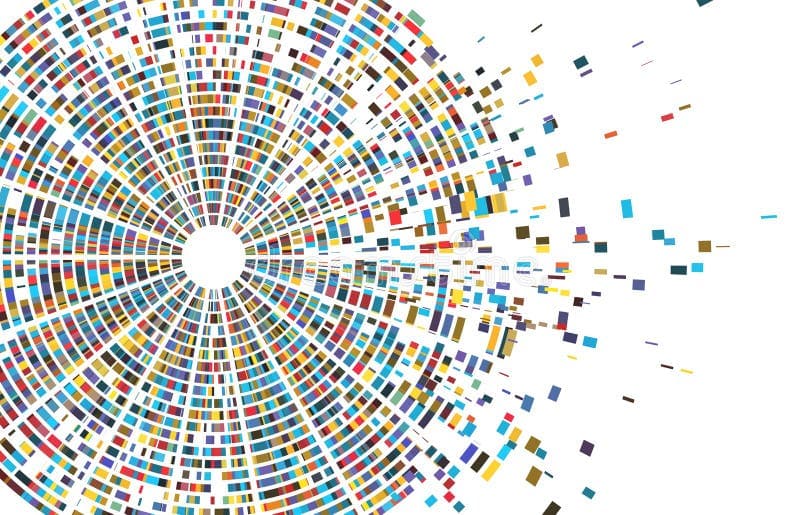
Our pipeline cross-references your pain-related genes with 15 medical sources in real-time
Your pain medication compatibility table
See exactly which pain medications your body can and can't process — before your next prescription.
Codeine
CYP2D6
Avoid — risk of life-threatening toxicity
Tramadol
CYP2D6
No pain relief expected — use alternative
Ibuprofen
CYP2C9
Reduce dose — slower clearance increases GI risk
Celecoxib (Celebrex)
CYP2C9
Start at 50% dose or use alternative NSAID
Morphine
UGT2B7
Standard dosing effective
Actual report section. Your results will be personalized to your genotype.
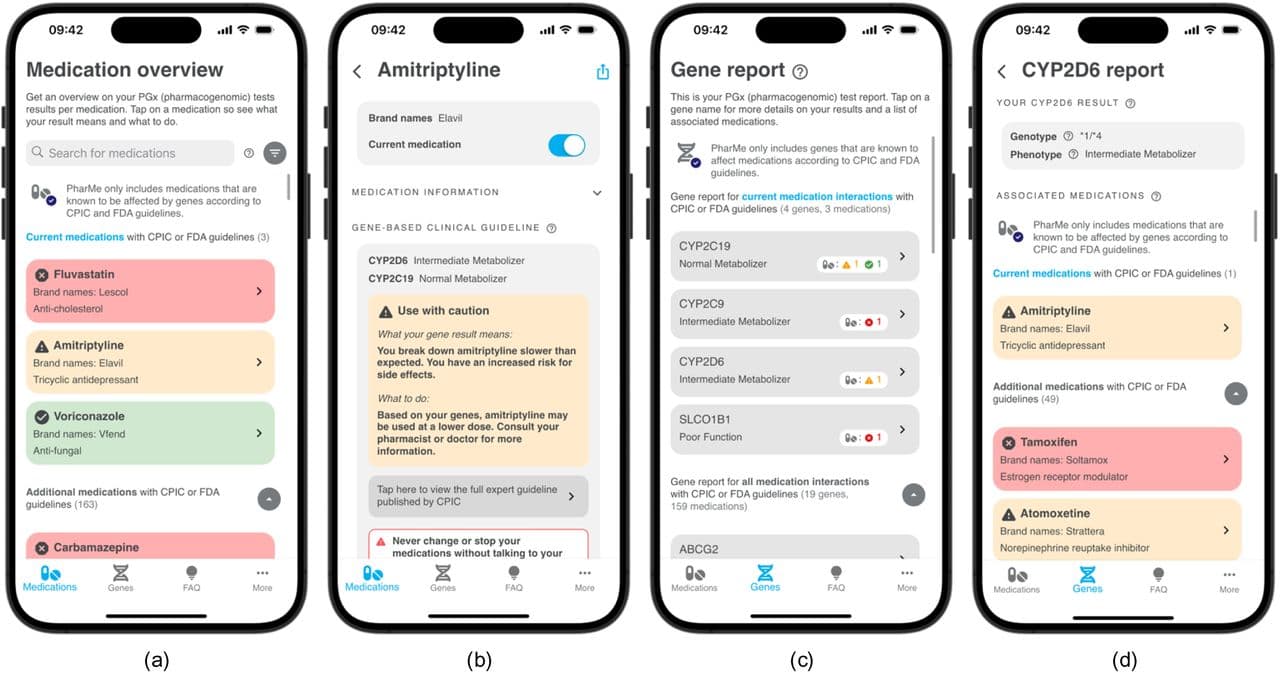
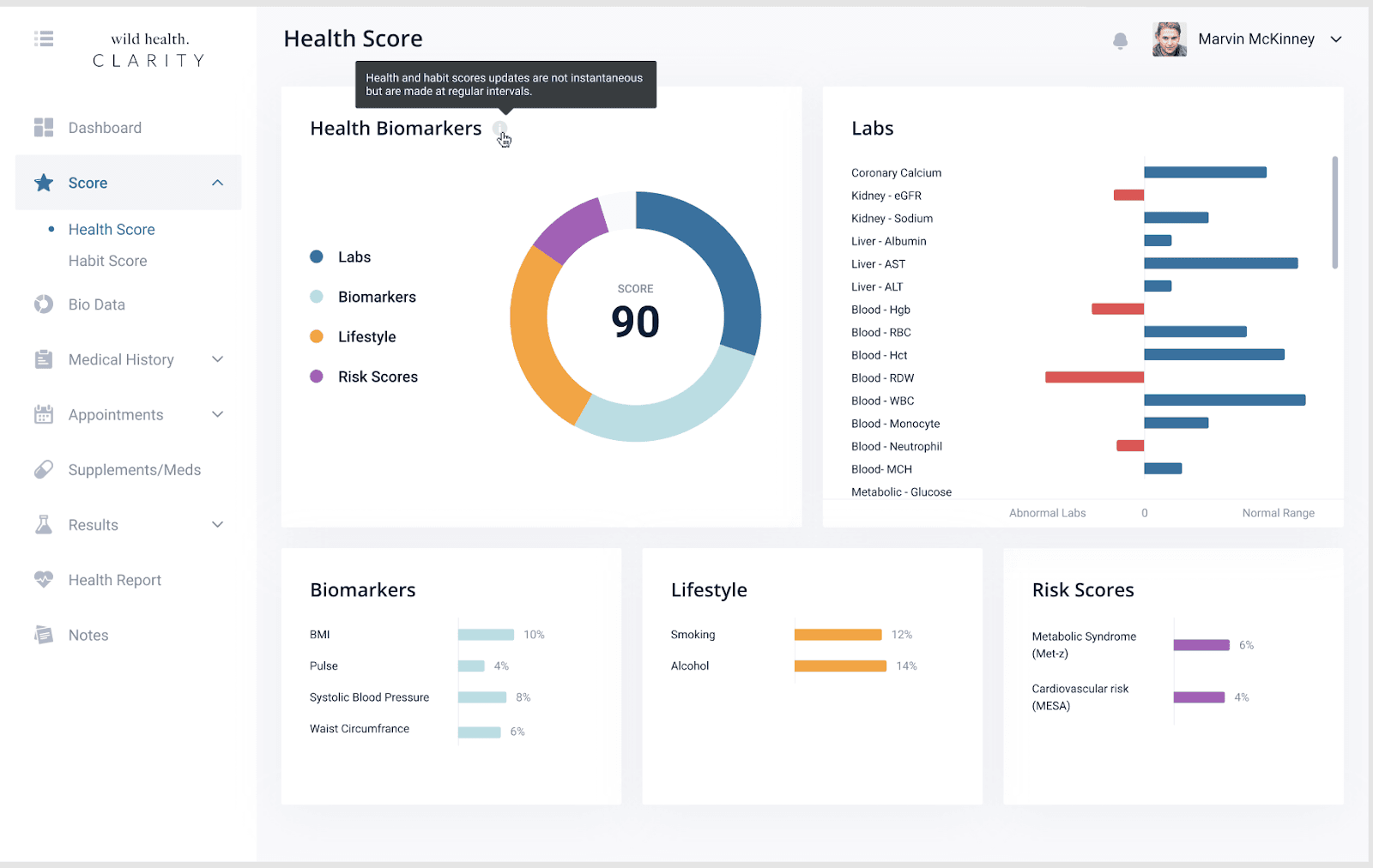
Your report includes drug compatibility, metabolizer profiles, and a physician-ready summary
See how your body handles pain medication.
Same file you already have from 23andMe or AncestryDNA.
What people discover about their pain meds

After years of trying different medications, I finally did genetic testing and found out I have slow COMT and slow MAOA. Changed everything.
— Reddit user
Codeine did absolutely nothing for me after surgery. Turns out I'm a poor CYP2D6 metabolizer. No one ever tested me.
— Reddit user
I was prescribed codeine post-surgery and got violently ill. Genetic testing later showed I'm an ultra-rapid metabolizer. My body was converting it too fast.
— Reddit user
5
pain-related genes analyzed
30+
pain medications covered
386
CPIC guideline recommendations
15
medical sources
Common questions
Stop the trial
and error.
Your DNA already knows which pain medications work for your body. It's time your doctor did too.