Slow COMT? That explains a lot about your brain.
COMT determines how fast your brain clears dopamine and stress hormones. Slow COMT means more sensitivity to stress, caffeine, and pain — but also more creativity and focus in calm environments. Not a flaw. Just your wiring.
 ClinVar
 PharmGKB
 StanfordNIH
What COMT does in your brain
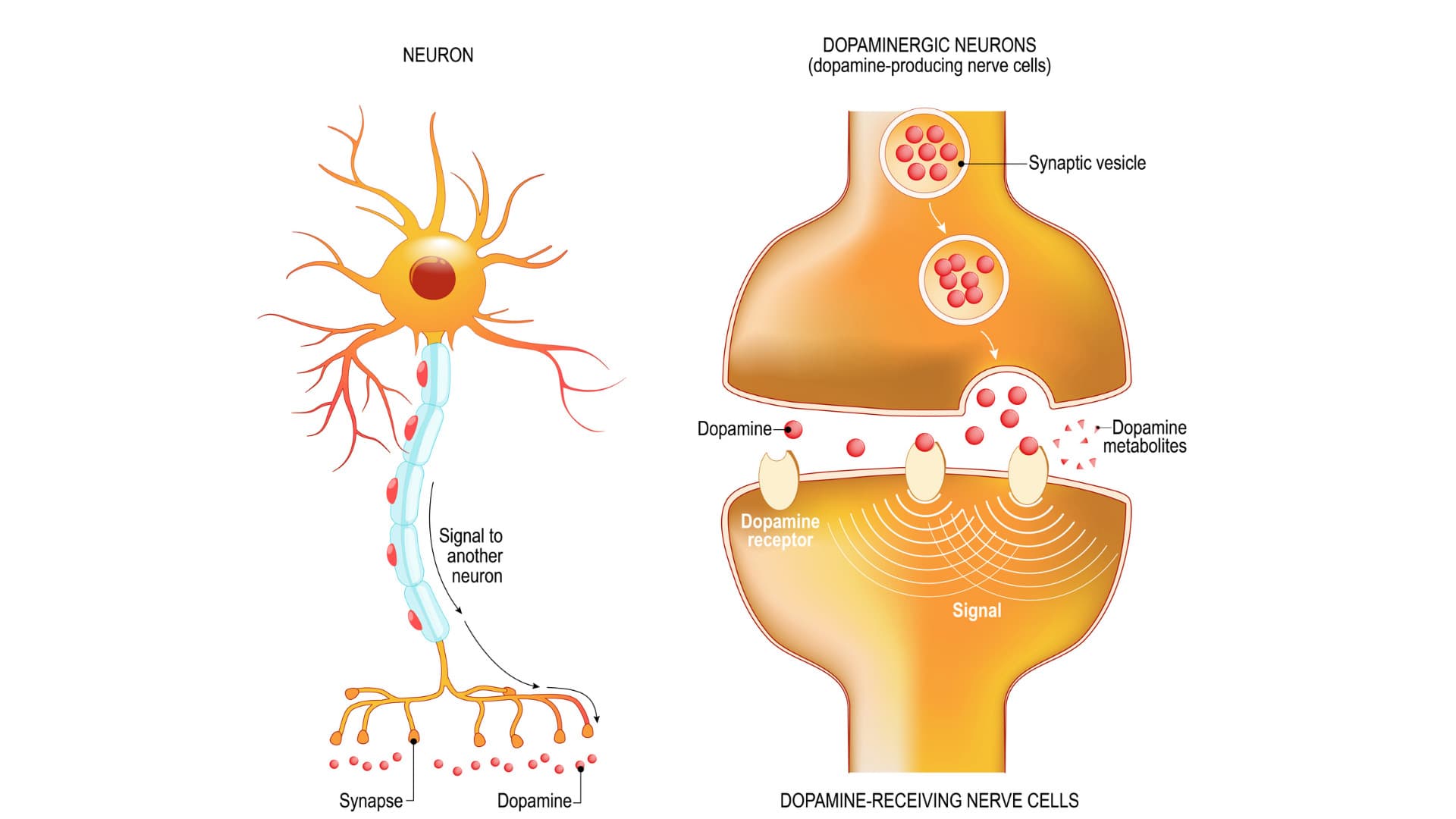
COMT is your brain's cleanup crew for dopamine, norepinephrine, and epinephrine. How fast it works determines how you experience stress, pleasure, focus, and pain.
Dopamine metabolism
COMT breaks down dopamine in your prefrontal cortex — the part of your brain responsible for focus, planning, and emotional regulation. Speed matters.
Stress hormones
COMT also clears norepinephrine and epinephrine (adrenaline). Slow COMT means these stress hormones linger longer, amplifying your response.
Caffeine sensitivity
Coffee boosts catecholamines. If your COMT is already slow at clearing them, caffeine hits harder and lasts longer. One cup can feel like three.
It's not just one thing
COMT interacts with MTHFR (methylation), MAO-A (serotonin), and estrogen metabolism. Your genetic profile is a network, not a single switch.
Find out if you have slow or fast COMT.
Upload your 23andMe, AncestryDNA, or VCF file.
What slow and fast COMT feel like
Val158Met (rs4680) comes in three flavors. Here's how each genotype tends to show up in daily life.
~25% of people
- Higher baseline dopamine
- More sensitive to stress and caffeine
- More creative and detail-oriented
- Better focus in calm environments
- Can feel overwhelmed or anxious when overstimulated
~50% of people
- Balanced dopamine metabolism
- Flexible stress response
- Moderate caffeine tolerance
- Adaptable to both calm and stressful settings
- Generally the most common genotype
~25% of people
- Lower baseline dopamine
- More resilient under pressure
- Higher caffeine and pain tolerance
- Performs well in high-stress situations
- May seek more stimulation and novelty
COMT doesn't work alone
Your brain chemistry is shaped by multiple genes working together. COMT interacts with MTHFR, MAO-A, and your estrogen metabolism in ways that matter.
The methylation connection
COMT needs SAMe (a methyl donor) to work. MTHFR is part of the pathway that produces SAMe. If both are slow, the combined effect on dopamine metabolism can be significant. This is why people who test one should test both.
Slow MTHFR + slow COMT = amplified sensitivity
The serotonin-dopamine axis
MAO-A breaks down serotonin, dopamine, and norepinephrine. If both COMT and MAO-A are slow, neurotransmitters clear even more slowly. This combination is common in people who report being 'wired but tired' — high anxiety with low energy.
Slow COMT + slow MAO-A = 'wired but tired'
The hormonal factor
COMT also metabolizes estrogen. Slow COMT can lead to higher circulating estrogen levels, which may be relevant for PMS, perimenopause symptoms, and estrogen-sensitive conditions. This is an underexplored but important aspect of COMT testing.
Slow COMT may affect estrogen metabolism
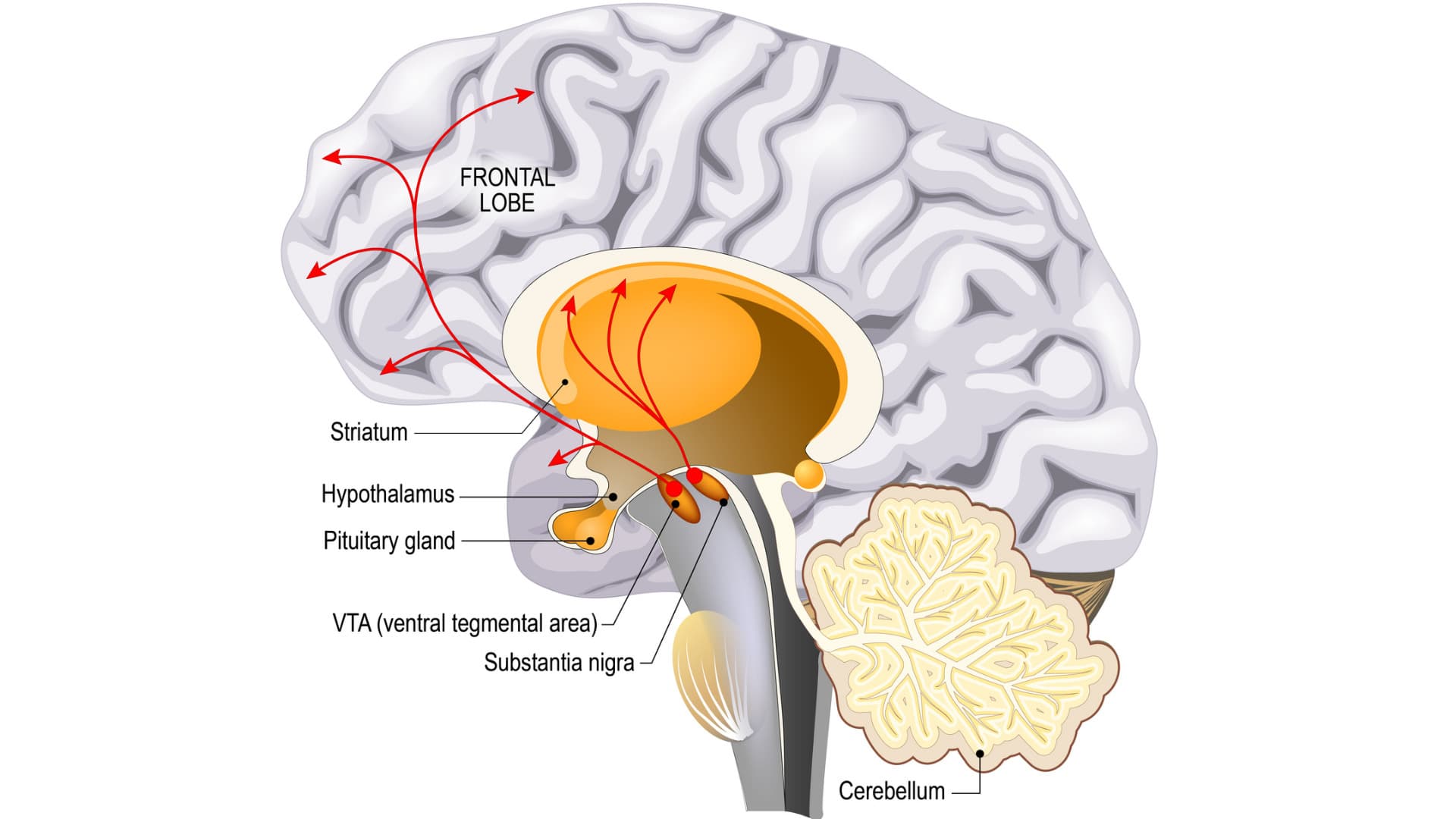

Your report maps COMT alongside MTHFR, MAO-A, and other neurotransmitter genes
Get your complete neurotransmitter gene profile.
COMT, MTHFR, MAO-A — all in one report.
What people discover about COMT
After years of trying different medications, I finally did genetic testing and found out I have slow COMT and slow MAOA. Changed everything.
— Reddit user, +20
Slow COMT explained so much about my life — the caffeine sensitivity, the overthinking, the brain fog when I'm stressed. It's not a flaw, it's wiring.
— Reddit user
Understanding my COMT status helped me stop blaming myself for being 'too sensitive.' My brain just processes things differently.
— Reddit user
~25%
of people have slow COMT (Met/Met)
3-4x
difference in enzyme speed between genotypes
15
medical sources cross-referenced
2 min
to get your COMT results
Common questions about COMT
Understand your wiring.
Work with it, not against it.
Your COMT genotype shapes how you experience stress, focus, and energy. One upload tells you where you stand — and what to do about it.